
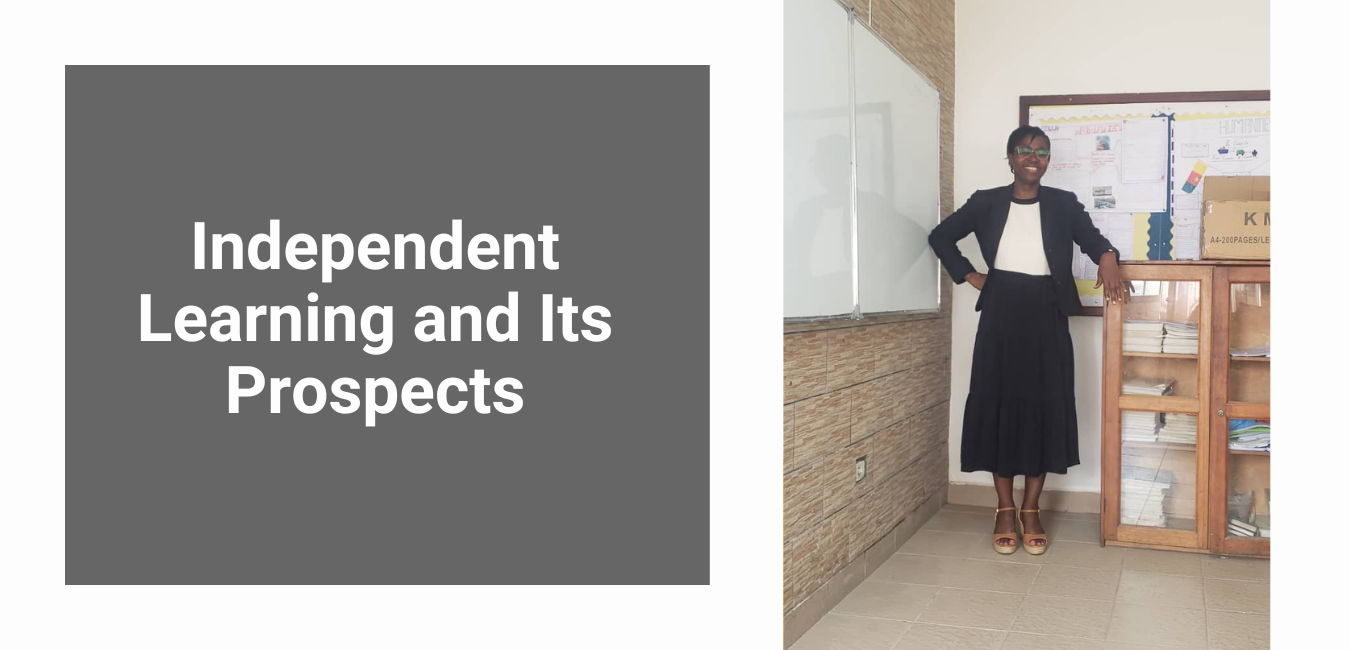
by Njilefac Atem, Cameroon
Independent learning means students direct their own learning and move their learning forward by themselves.
As a biology teacher, during some of my lessons, I realize that coverage does not guarantee learning, nor consistency guarantee understanding. As Hiebert and Grows (2007) explains, “Students learn best what they have the most opportunity to learn”. In other words, what matters most is not what we present, but what students are actually thinking about during instruction.
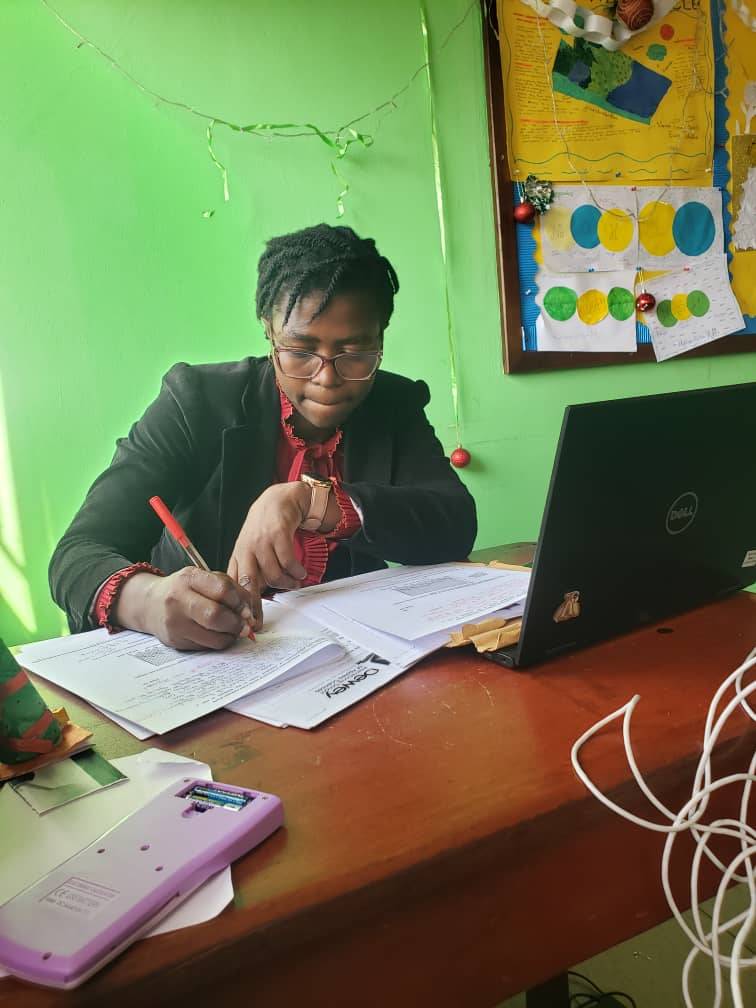
This shifts the leadership question to;
- What thinking does this lesson demand?
- What learning outcome are we expecting?
- Who is explaining the biology concept, the teacher, or the student?
The course on the Teach2030 platform, spells this out clearly with some strategies to try in our classrooms. This shifted my thinking to developing students’ conceptual knowledge by giving them sustainable opportunities to grapple with meaningful problems, explaining their reasoning, making connections and refining their ideas. When instruction prioritizes explanation and completion, students practice the following of steps; sense-making, discussion, and problem solving. Students develop transferable understanding. It is very evident that if we want stronger outcomes, then we should protect time for thinking, not just time for coverage.
Procedural fluency, so that students do not just get answers but they understand why biology concepts work and how they apply to our real-world situation. By simplifying instruction, consistency formats material to reduce mental efforts that are required to navigate different layouts. In an independent learning classroom, students show consistency in behaviour; for example, students know that they will begin every lesson with a starter and that they must work silently, completing a sequencing task. I always set it to encourage the breakdown of information into manageable chunks, to make it easier for processing and encouraging visualisation of complex concepts.
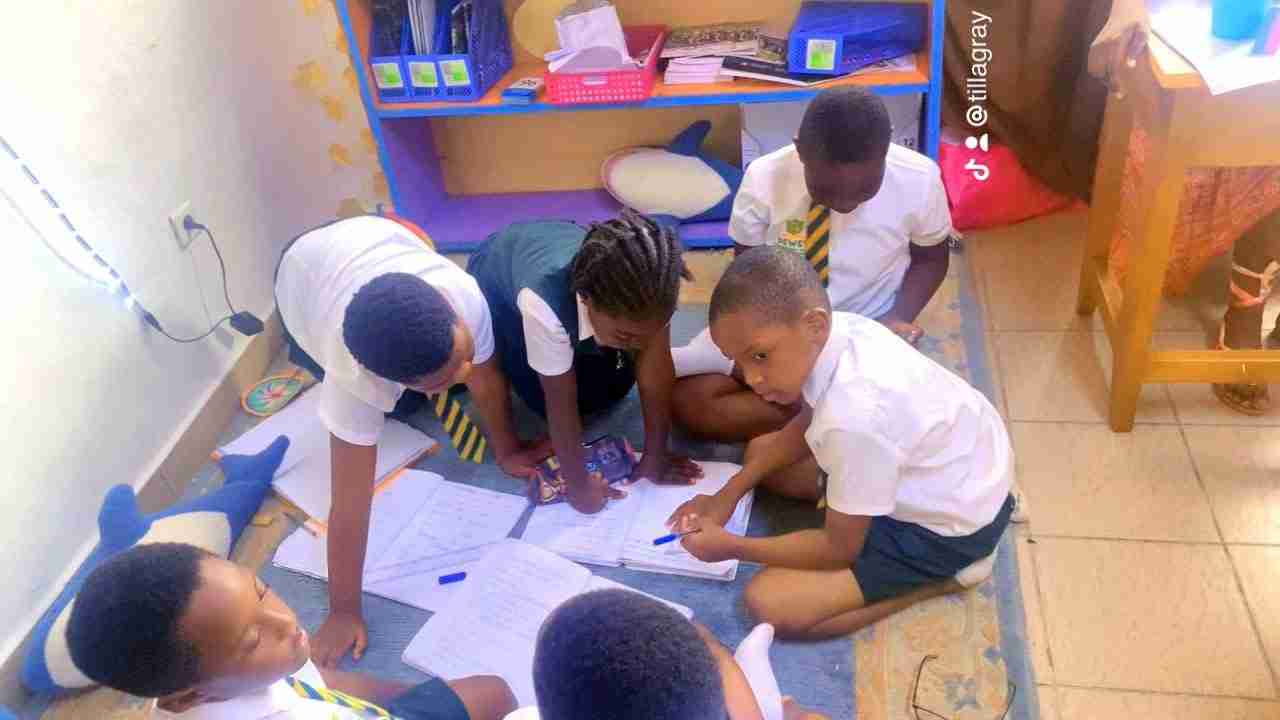
There are many ways we can encourage independent learning in our classroom. What I usually do, first when I take over a class is, I meet other colleagues who have taught biology to that class, to give their own techniques that work. Then I find ways of incorporating it with some intended active learning strategies that seek to encourage independent learning amongst students.
Four ways we can do this are by;
- Stating success criteria
- Reflection as self-assessment
- Peer assessment
- Group and pair work
The advantage here is that students turn to identify their own gaps in knowledge, improve on organisation and creativity, and increase academic performance and behaviour management.

LET’S MOVE BEYOND COVERAGE AND BUILD CLASSROOMS WHERE EVERY STUDENT IS THINKING TO BRING ABOUT INTENDED LEARNING OUTCOME.
