
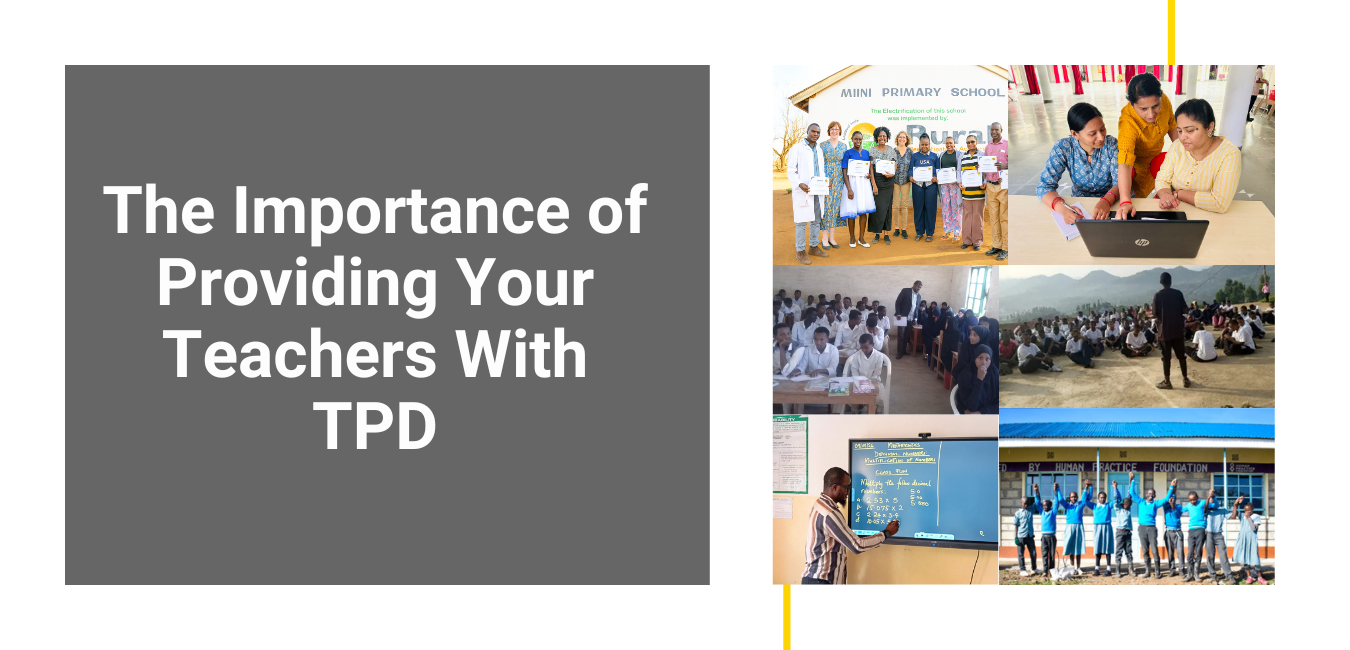
As headteachers, we often find ourselves managing the “now”— an immediate crisis or concern, or a policy shift. Yet, research consistently shows that the single most important school-based determinant of student learning is the quality of our teachers.
If we want to improve student outcomes, we must improve teacher expertise. It isn’t just about providing an occasional training session; it’s about our teachers participating in Teacher Professional Development (TPD) – a strategic and sustained priority that transforms school culture and retention.
But, our schools are full of experienced teachers who are experts, right? Well, it is easy to believe that someone who has taught in the classroom for many years is the ‘perfect’ teacher. Perfection does not exist. Without access to ever-developing research and trends about pedagogical thinking, the capacities of teachers will be limited and performance levels of students can become stagnant.
In fact, teachers need to maintain – and improve – their knowledge and skills of how pupils can learn effectively both inside and outside of the classroom. They deserve the opportunity to do so. In other words, all should have the right to access Teacher Professional Development (TPD) that builds on pedagogical understanding and classroom practice. It’s not only teachers who deserve TPD; this access should be available to all those with a direct impact on learning outcomes, no matter their position within the education environment, whether this be headteacher or learning assistant.

It is true that worldwide, teaching is viewed as a low-status job, prompting educators to move to better-paid opportunities. We are in a retention crisis. For example, in many sub-Saharan African countries, attrition rates range between 5% and 30%. It can take years for departing teachers to be replaced, resulting in persistent high vacancy rates. High turnover represents a significant loss of resources, as recruiting and training replacements is costly. Resultingly, more unqualified or non-specialist teachers are employed. Yet, the presence of unqualified teachers directly correlates with lower student performance. Our students deserve better.
The solution is TPD. TPD leads to higher literacy and numeracy levels, increased assessment figures and higher staff morale (RTI International: 2021). When teachers feel their professional growth is supported, their job satisfaction and morale increase, making them more likely to remain committed to their school. Investing in our teachers’ future shows they are valued, reducing burnout and fostering a culture of excellence. Fewer teachers leave the profession. Isn’t that we what we want for our school communities?
Traditionally, TPD has been face-to-face. However, workshops can be expensive and the face-to-face nature means teachers need to travel. Teachers can become disengaged, especially due to a lack of participation within large group sessions.
However, in recent years, technological advancements have led to TPD now being accessible digitally.
Teach2030 is a TPD platform that enables teachers to engage more frequently and actively with pedagogical content. They can progress through content individually and proactively or as part of a whole-school experience.
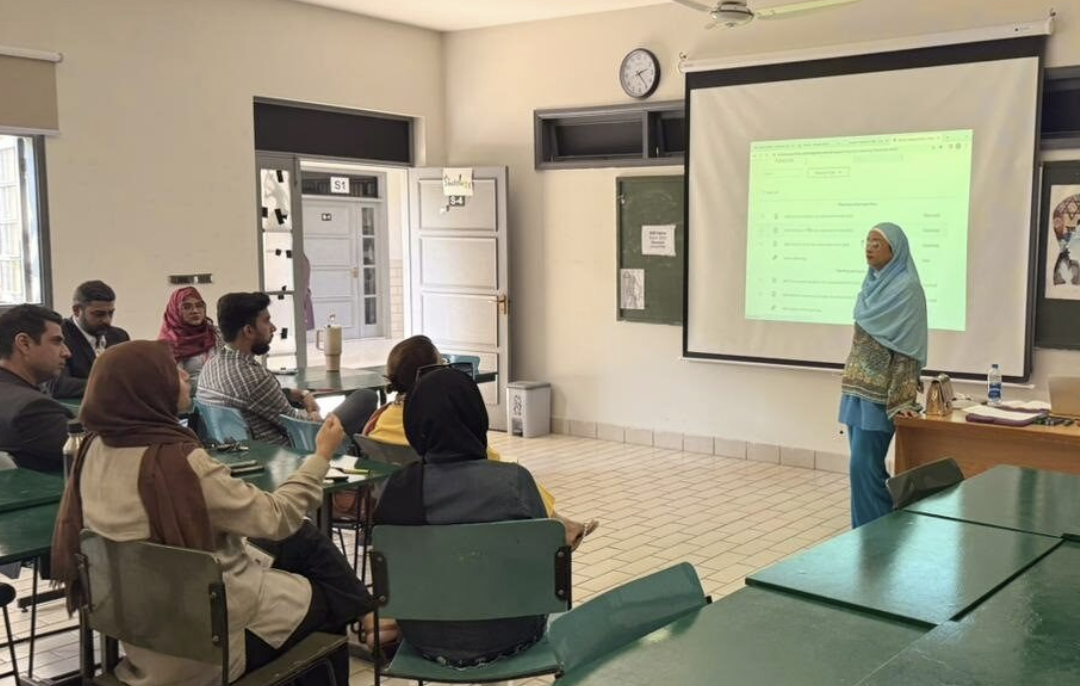
Teach2030 courses, materials and virtual activities focus on strategies to increase learning outcomes and classroom knowledge. In our digital Teach2030 community, teachers feel safe discussing their classroom practice, knowing they will be supported by peers worldwide. This allows every teacher to remain committed to a trajectory of excellence.
Courses are designed for whole school and independent learning. Easy-to-use and low data, all teachers receive contextualised, assessed, and certified TPD materials through their smartphone or digital device. Headteachers and their teams feel supported with specific training to encourage timetabled TPD to become standard in schools, ensuring teachers learn and develop their practice continuously. All materials can be timed and paced to suit the needs of individuals and schools.
‘Teach2030 has equipped me with innovative strategies and approaches to engage my students more effectively. I’ve been able to create a more inclusive and supportive learning environment, which has led to increased student participation and enthusiasm’
Fanny Agnes Malikebu
Malawi Ambassador.
For TPD to work, it must be prioritised by school leadership. It’s our job to create the conditions where learning can happen—protecting time, providing resources, and modelling a growth mindset. TPD is not an “add-on.” It is the cornerstone of school improvement. When we invest in our staff, we aren’t just improving individual careers—we are elevating the entire community.
So, why not enrol your school in TPD training today? Simply email [email protected] to start your school’s journey to improvement today.
