

By Tacho Boris
In the ever-evolving landscape of education, formative assessment stands out as a powerful tool that can significantly enhance student learning. But what exactly does it mean? Formative assessment refers to a variety of methods teachers use to gauge student understanding during the learning process. Unlike summative assessments, which evaluate learning at the end of an instructional unit, formative assessments are ongoing and provide immediate feedback.
Why is formative assessment so crucial?
First, it empowers teachers to identify areas where students may be struggling. Often referred to as Assessment for Learning, formative assessment helps learners bridge the gap within their Zone of Proximal Development—connecting where they currently are to where they are expected to be. This real-time insight allows for timely interventions, ensuring that no student falls behind.
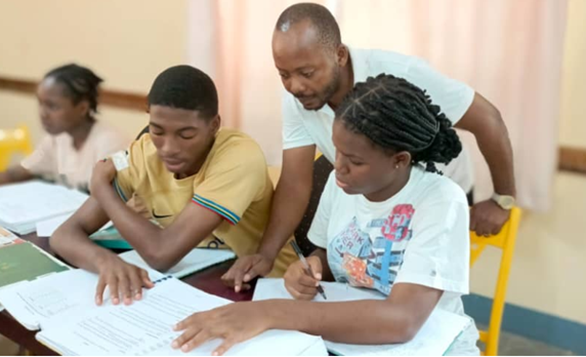
Additionally, it fosters a growth mindset among learners. When students receive constructive feedback, they can recognize their progress, understand their strengths, and identify areas for improvement.
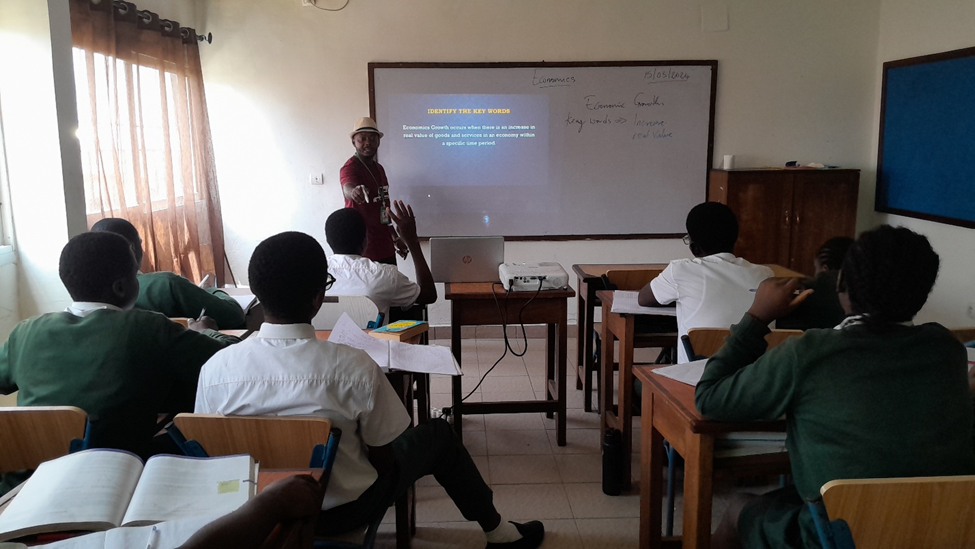
The impact on students can be profound. Research shows that when students engage in formative assessments, they become more invested in their learning. They learn to self-assess, set goals, and take ownership of their educational journey. This not only boosts academic performance but also builds confidence and resilience.
So, how can educators implement effective formative assessment strategies? Here are a few suggestions:
- Exit Tickets: At the end of a lesson, ask students to write a brief response to a question. This helps gauge their understanding and provides insight for future lessons.
- Peer Review: Encourage students to review each other’s work. This not only reinforces learning but also develops critical thinking skills.
- Quick Quizzes: Use short quizzes to assess understanding. These can be informal and provide immediate feedback.
Incorporating formative assessment into the classroom creates a dynamic and responsive learning environment, ultimately leading to greater student success.
