

by Alicia Souares, Jamaica
As an educator, I am constantly seeking ways to make learning meaningful, engaging, and student-centered. Through the use of strategies from Practical Active Learning, I was able to shift my classroom from a passive environment to one where students actively participate in their learning.
Creating an Engaging Learning Environment
One of my main goals was to help students understand that learning is not just about listening, but about participating. I intentionally structured my lessons to ensure that every student had a voice and an opportunity to contribute.
In the image below, I am guiding my students through a lesson using questioning and discussion. Rather than simply giving answers, I encouraged them to think, respond, and interact with the lesson content.
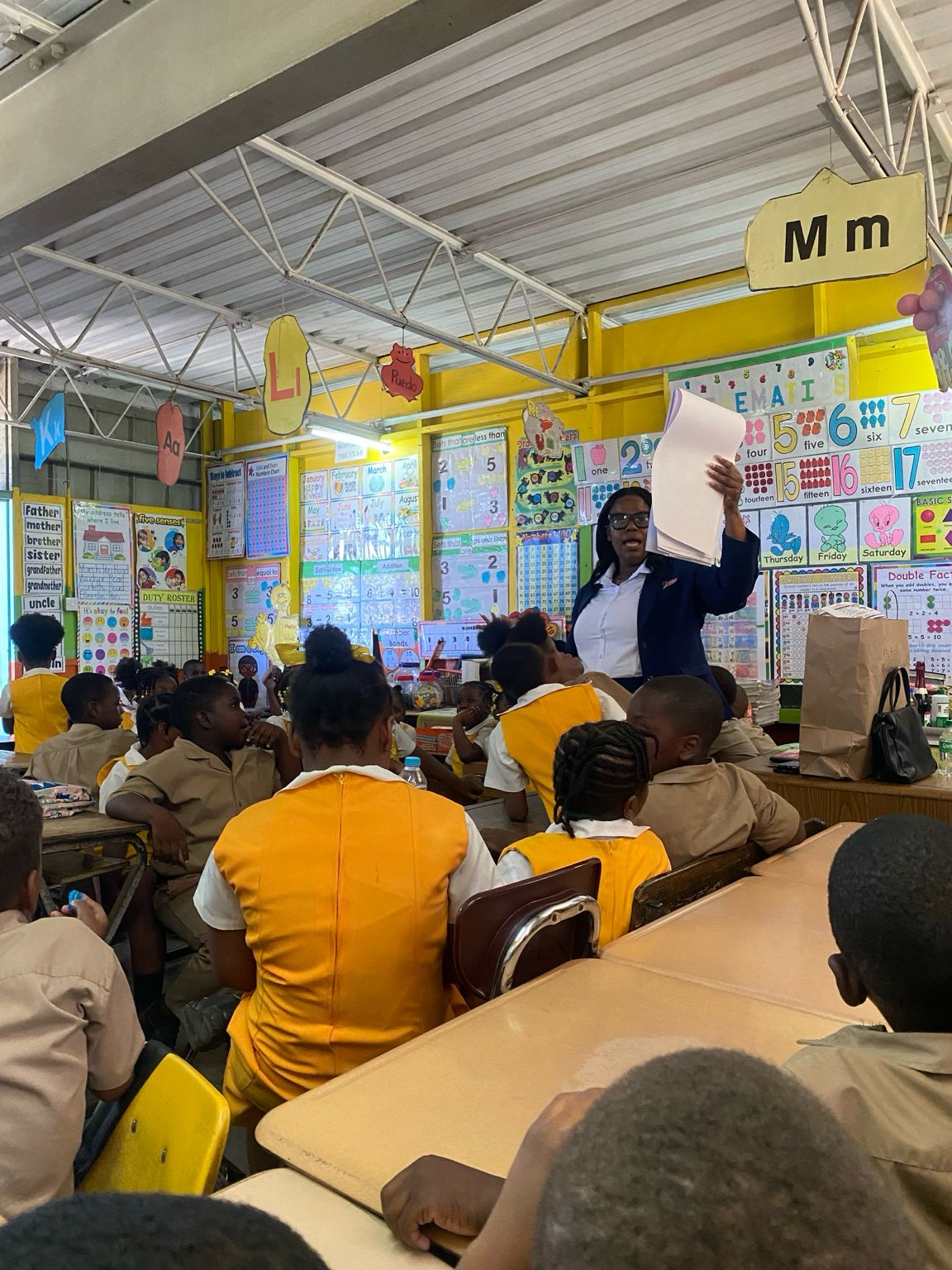
This moment reflects how I steered my class toward understanding the importance of engagement. By involving them directly, students became more attentive and eager to participate.
Using “Turn and Talk” to Increase Participation
One of the key strategies I used was Turn and Talk. After posing a question, students turned to a partner to discuss their ideas before sharing with the class.
This strategy helped to:
* Build confidence in students
* Encourage peer learning
* Ensure that every child was actively thinking
Student Response
Students became more comfortable expressing their ideas. Even those who were usually quiet were willing to share after discussing with a partner.
Using “No Hands Up” to Promote Equal Participation
Another impactful strategy was No Hands Up. Instead of relying on volunteers, I selected students to answer questions randomly.
This encouraged:
* Full class engagement
* Accountability for learning
* Equal opportunities for participation
Student Response
Initially, some students were unsure, but over time they became more prepared and focused, knowing they could be called upon at any time.
⸻
Extending Learning Beyond the Classroom
Active learning did not stop inside the classroom. I also created opportunities for students to engage in hands-on, real-world experiences.
In the image below, students are actively interacting with an animal during an outdoor learning activity.
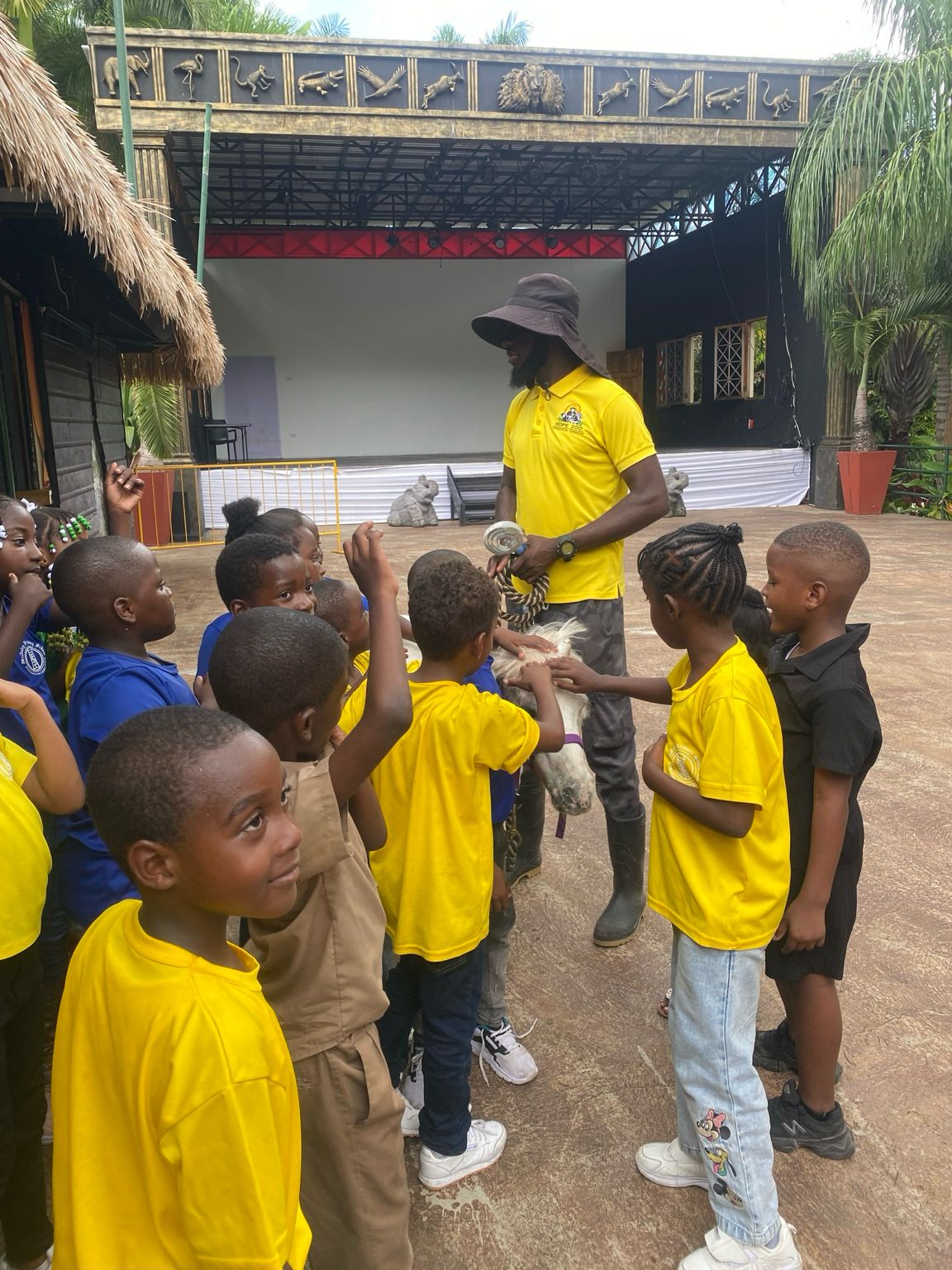
This experience allowed students to:
* Explore through touch and observation
* Ask questions and satisfy curiosity
* Make real-life connections to what they learned
Student Response
Students were excited, curious, and fully engaged. They asked questions, shared observations, and demonstrated genuine interest in learning.
Helping Students Understand the Importance of Engagement
Throughout these activities, I intentionally guided my students to see why engagement matters.
* Encouraged all contributions, not just correct answers
* Created a safe and supportive environment
* Reinforced that learning improves when everyone participates
As a result, students began to take ownership of their learning and showed greater enthusiasm during lessons.
Final Reflection
Using strategies from Practical Active Learning, such as Turn and Talk and No Hands Up, transformed my teaching practice and my students’ learning experience.
The classroom became a space where:
* Every student felt valued
* Participation increased
* Learning became meaningful and enjoyable
This experience confirmed that when students are actively involved, they develop deeper understanding and a stronger love for learning.
