
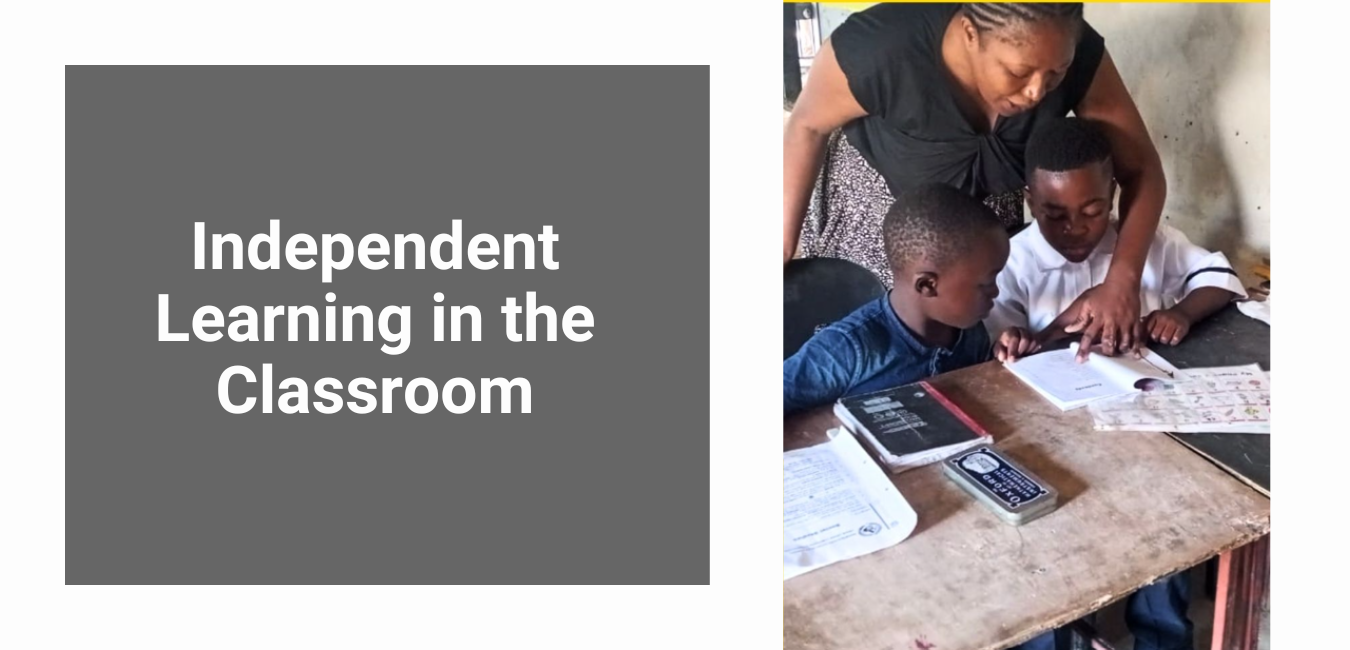
Recently we have been focusing on the theme of Independent Learning in the classrooms, and how it can equip students with skills they can nurture and take forward into multiple situation. Independent Learning allows students to develop life skills and achieve higher levels of success in their learning journey.
However, Independent Learning in the classroom doesn’t come lightly and can be a challenge to navigate when you are a teacher guiding your students into making this way of learning effective and successful.
If students have not been used to this way of learning, it is the teacher’s responsibility to show them how to do it. How can we know what to do if we have never tried something before? Therefore, we must learn and practise this skill for it to become a meaningful activity.
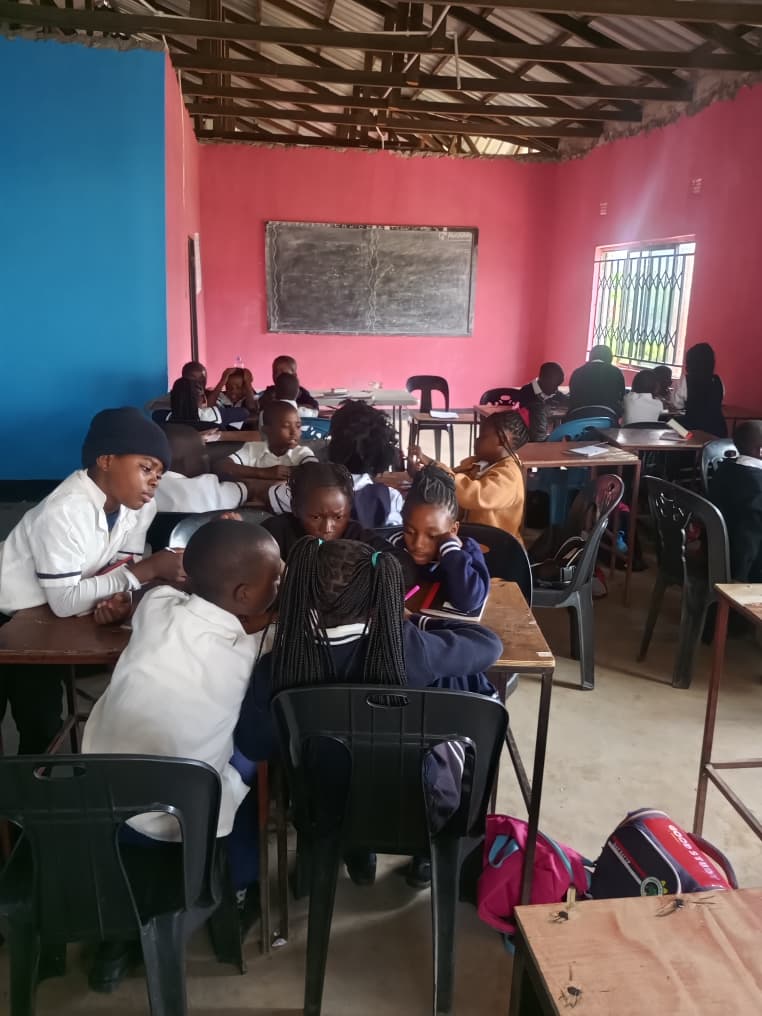
Initially, independent learning can be daunting from a teacher’s point of view – behaviour management issues come into play as we hand over some control to students through group work leading to a higher volume in the classroom or differing personalities vying for attention and roles. This is where it is important for the teacher to facilitate this learning through consistency and learned strategies that have been developed over time.
For example, with group work, you may allocate certain roles to students such as a leader, a researcher, a speaker and more. You may have a control strategy such as a raised hand to indicate to groups that it is time to stop and come to attention – this could work well with a 3,2,1 countdown strategy.
Our Independent Learning courses enable teachers to learn how to develop this strategy in the classroom with guidance and practical advice on how to structure and develop this style.
Sera Inambao, or Teach2030 Ambassador from Zambia recently experimented with this teaching style in her class, which took immense courage and bravery in relinquishing control and handing the learning to her learners. This is her experience:
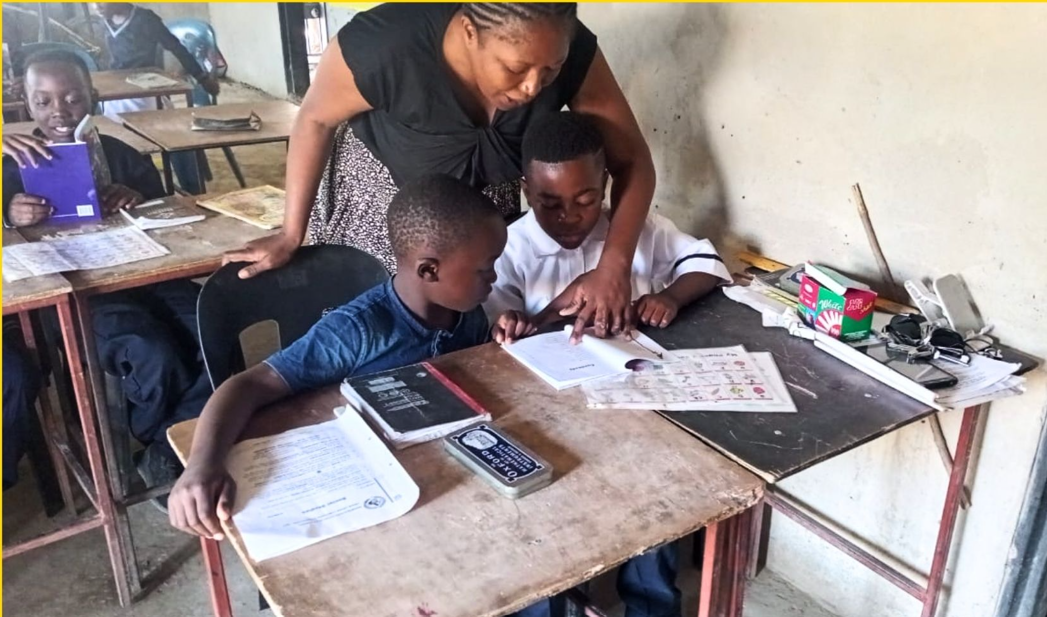
I have continued to engage independent learning with my students and the benefits are amazing.
To say the outcomes were tremendous would be an understatement!
Breaking Down Barriers – The positive results were visible across the board—not just for the students, but for me as a teacher as well. In setting up the activity, I chose to mix the three levels of ability within the groups.
The results were inspiring:
* Peer Understanding: Students were able to express their ideas clearly and were truly understood by their peers.
* Active Participation: There was a visible “joy of being heard” that led to increased participation from almost every learner in the room.
* Peer-to-Peer Engagement: During the presentations, other groups were given the chance to ask questions to the presenting group, fostering a real dialogue.
My Reflection
As an educator, nothing is more rewarding than seeing a classroom come alive. I was so excited to see that the pupils paid such close attention to one another. By stepping back and allowing them to take the lead, I witnessed a level of engagement that traditional lecturing rarely achieves. Independent learning isn’t just about the subject matter; it’s about giving students the confidence to find their own voices. I discovered that the strategy is giving power back to the students as they become responsible for their learning.
Using group work has made them realize their strengths and weaknesses and enhanced the desire to work harder to develop their weakness. This is done through tasks given to each member of the team. Team members exchange their role and that is where growth is coming from. It is exciting for them as they look out for what role they will get in tasks given to them.
Collaboration or rather working together as a team is achieved through independent learning. On my part as a teacher, it is one thing I looked out for. It is not perfect, but I chose independent learning as part of the strategy to use to get students to collaborate.
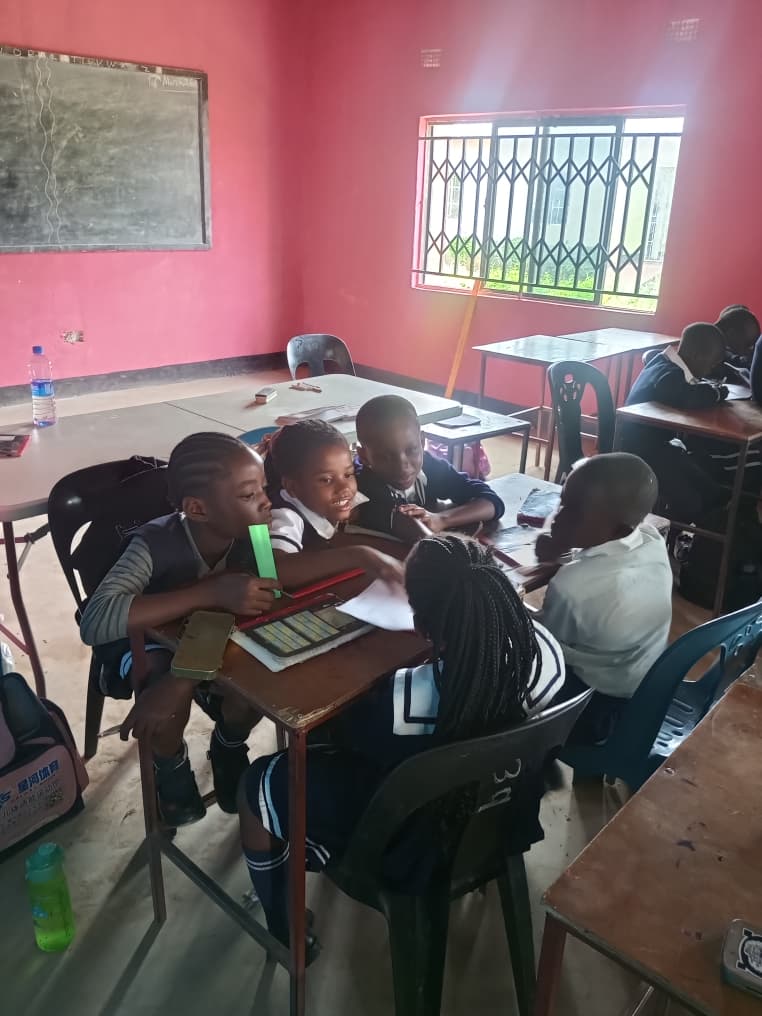
You do a lot with them as you discover how much they know on a topic and how they work through the task, this gives me the idea of how to help each student. Time Management and resilience is also one of the outcomes of this strategy.
As students see other teams presenting their tasks, they check on theirs and compare and strive to be better without realizing that they are learning from each other.
Getting learners excited to come to school is one of my greatest passions, the independent learning strategy has helped me in getting my learners excited to come school.
We are very proud of our Ambassador, Sera, as she continues to strive to use her TPD from Teach2030 to improve her own teaching as well as demonstrating her successes to the wider community where she lives and encouraging the positive benefits of upskilling teacher practice.
Find out more at Commonwealth Education Trust and Teach2030.
