
Classroom management is a term we use to refer to how we manage the various rules and routines as well as reactions to our workspace or classroom.
As a teacher it can be quite intimidating ensuring that the students in front of us all behave in a way that is respectful and conducive to learning but as the adult in the classroom, it is our responsibility to lead by example and authority.
There are many different ways to manage our classrooms but consistency is one of the main strategies that we can use.
From the outset, it is important to exhibit confidence and authority so the students understand that your classroom is a place of learning. This does not mean shouting or ordering students to do tasks, instead we should speak to and treat students how we would wish to be treated – with respect and politeness. If we model what we expect, eventually students will understand your expectations in how to behave in the classroom.
It is useful to begin the school year outlining your expectations for your classroom – the rules and routines in how you would like to run your classes. As time goes on, if you consistently work to these, the students will come to know how to behave and how your lessons will run.
Consistency and routine allow students to feel safe and ready to learn in an effective way.
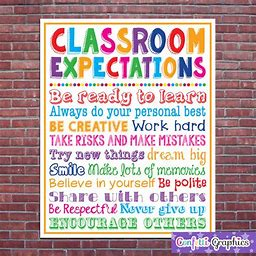
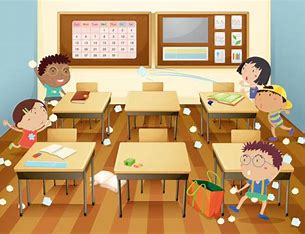
When students don’t have clear boundaries or routines it leads to a lack of focus and concentration, this in turn can lead to misbehaviour. The students don’t have a clear idea of what is expected of them so can become demotivated and this then spreads around the room creating challenging circumstances.
It is your job to remain patient but firm with students to continually establish what is expected of them and what is not.
If behaviour escalates then you need to have a “toolbox” of strategies to manage the behaviour. It may be speaking quietly to a misbehaving student outside of the room so they do not have an “audience” to perform to. Explain to them that we don not tolerate such negative behaviour and if it continues there may be loss of social time or such like.
Students will test teachers to establish where the boundaries are and you must stay firm with your rules and routines. For students who flout your rules there need to be consequences which escalate higher as the behaviour does.
If students don’t settle down and you have tried speaking with them, then you must turn to department or school policies for consequences. It may be loss of social time; it may be asking someone from management to speak with the child or it may be communication with parents. Your class need to see that negative behaviour does have consequences which you are prepared to carry out.
It may seem like a lot of extra work initially, but once students see that messing about does not achieve a favourable response, they will settle down and follow your expectations. It will take time but it is worth it in the long run.
A good way to follow on from establishing rules and routines is to always come to lessons prepared – have an activity ready for the students to immediately engage with as they settle. We call this a “Do it now” activity or a “starter” activity. Students engage as they arrive and it gives you time to manage the arrival and settling of your group.
Planning lessons from start to finish is another important classroom management strategy. If you are not clear with what you want the students to learn and do, then it becomes a disorganised period of time where students don’t have clear focus or purpose – this in turn will lead to the challenging behaviour we would want to avoid.
This is why planning every lesson is extremely vital – you and your students have a clear learning journey with clear objectives which you have given to the students. It is important to allow students to understand what is expected of them, what they are going to learn and how they will achieve this.

If you give tasks without purpose, no one will want to do them as they will not see the point.
It is our job to lead our students to success and it is our job to help support them and guide them through this so we must make sure we manage our classrooms in an effective and stimulating manner.
Another aspect of classroom management is making sure we reach all the learners in the room. If some students are struggling with the lesson content, then it is likely they will lose focus and perhaps become disruptive.
To avoid this, we must predict the reactions of these students by having the knowledge about their attainment and abilities. We must adapt tasks to suit various learning styles so all students have a chance at accessing the learning. This will ensure all students remain engaged and focused on the learning.
Classroom management is an important part of teaching but it comes hand in hand with subject content. If you know your subject content, have planned your lessons then managing the students will become easier, especially if you establish strong relationships with students.
Mutual respect leads to mutual progress.
Improve your lesson planning with Teach2030

The Importance of Effective Lesson Planning
The importance of Effective Lesson Planning will help you to understand the importance of having a lesson plan, how to formulate effective lesson objectives using the SMART method and strategies for effective lesson delivery and the importance for reaching all learners.
–

Planning Lessons to Reach All Learners: Part 2
Continue developing your planning skills to ensure successful learning outcomes for all your learners.

Planning Lessons to Reach All Learners: Part 1
Good planning ensures ALL your learners benefit. Take our course today to reflect on your planning and how you can improve.
