
‘Deciding what to teach, in what order, and for how much time are the basic components of planning. The lesson plan serves as a map or checklist that guides us in knowing what we want to do next; these sequences of activities remind us of the goals and objectives of our lessons for our students. A lesson plan is also a record of what we did in class; this record serves as a valuable resource when planning assessment measures. A record of previously taught lessons is also useful when we teach the same lesson again, so that we have an account of what we did the term or year before to avoid reinventing the wheel. Just as teachers expect their students to come to class prepared to learn, students come to class expecting their teachers to be prepared to teach. A lesson plan is part of that preparation.’ ‘Planning Lessons’: Linda Jensen, ‘Teaching English as a Foreign Language’; Marianna Celce-Murcia; Heinle and Heinle 2001
Lesson plans are the road-maps through our lessons, through our units of work and they guide us and our students in how to move forward through learning.

A good lesson plan addresses a variety of areas; firstly, where does this lesson fall within a series of lessons? Is it the beginning of a unit, during or at the end? This will dictate what needs to be involved in the lesson.
We also need to take into account, the range of students that we will be teaching. What is the range of ability and attainment? Are there any additional needs that we need to be aware of and cater to.
With these key aspects in mind, we need to turn to the Learning Objectives – what is it that your students will be learning? What do you want them to have achieved by the end of the lesson? It is useful to use SMART objectives so they are clear, measurable and achievable for the students. An example could be: By the end of the lesson, we will know what causes volcanoes and what the effects of volcanoes are.
Next, we need to devise a range of activities which will deliver the subject matter, allow students to apply the new knowledge and check their levels of understanding of the knowledge gained.
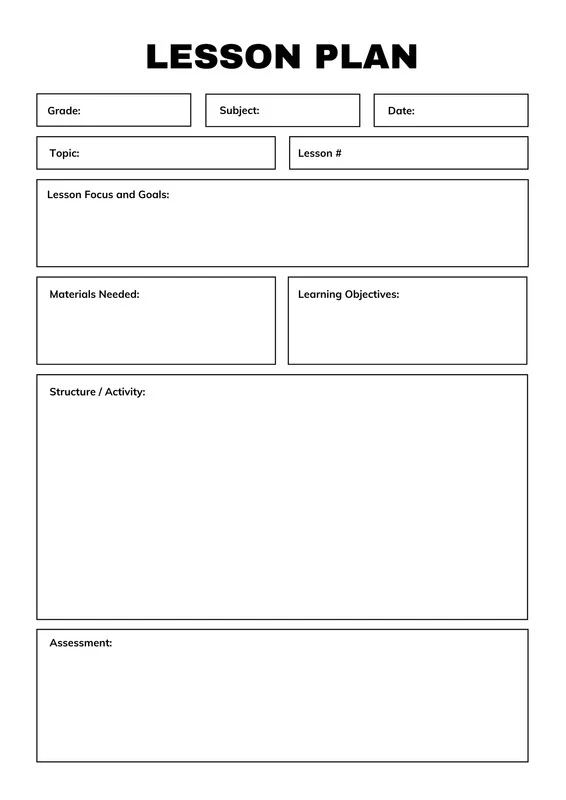
It is important to consider timings also – how long is the lesson? How long will the opening/introduction take and how long will you need for your plenary or ending? What time is left should be divided up between a range of activities. It is important to have a variety or short-paced activities to ensure students don’t lose focus and it gives the lesson pace and rhythm. If you consistently use this style of lesson structure, it will become your normal classroom practice creating clear expectations of the students and what they need to achieve by the end of the lesson. It will motivate and retain engagement.
You might begin by delivering information yourself, you may use aids such as worksheets or a power-point presentation. It is also useful to engage students by giving them an activity to do whilst reading so they don’t lose concentration. This could be highlighting key words, making notes etc. We call this “active reading”.
Following on from the delivery of knowledge, it is important to ensure students participate in an activity that uses the knowledge, it may be comprehension questions, it may be a demonstration, it may be to write a summary. Your choice.
If you have students that require more support it is appropriate to provide additional materials such as word-banks or enlarged text.

The ending of a lesson is extremely important – if we just allow students to be dismissed and file out, we have no knowledge of how well that lesson went; whether the students understood the concept or whether it needs to re-visited in a different way.
This is where we need to use assessment for learning – a task that checks the learning that has taken place. It may be simple question/answer style assessment. It may be a thumb signal of how well they understood e.g. thumbs up for full understanding, thumbs in the middle for partial and thumbs down for confusion. This will allow you to immediately see what is to happen next.

It is also extremely important for you to evaluate the lesson. You need to spend time reflecting what went well and what didn’t. Were there tasks that were inappropriate for that group or could you have devised tasks that would stretch your students’ abilities more?
An effective lesson plan caters for all these factors and the more you use them the easier your teaching and delivery will be. You will have a clear direction through a unit of study which will address all areas needed and cater for various learning styles. Eventually you will have a bank of lessons which can be used again and again – a very valuable resource!

Improve your lesson planning with Teach2030

The Importance of Effective Lesson Planning
The importance of Effective Lesson Planning will help you to understand the importance of having a lesson plan, how to formulate effective lesson objectives using the SMART method and strategies for effective lesson delivery and the importance for reaching all learners.
–

Planning Lessons to Reach All Learners: Part 2
Continue developing your planning skills to ensure successful learning outcomes for all your learners.

Planning Lessons to Reach All Learners: Part 1
Good planning ensures ALL your learners benefit. Take our course today to reflect on your planning and how you can improve.
