by Sabeen Ovais, Pakistan
“The real question isn’t how much you teach—but how many students you actually reach.”
Creating a strong culture of learning in the classroom isn’t about one big change—it’s about small, intentional strategies that bring every student into the learning process.
Over time, I’ve been using approaches from the Practical Active Learning Teach2030 courses to make my classroom more inclusive, and the impact on student participation has been clear.
Encouraging Every Voice, Not Just the Loudest
No magic tricks here—For anyone tired of teaching to the same 5 enthusiastic students every lesson…”
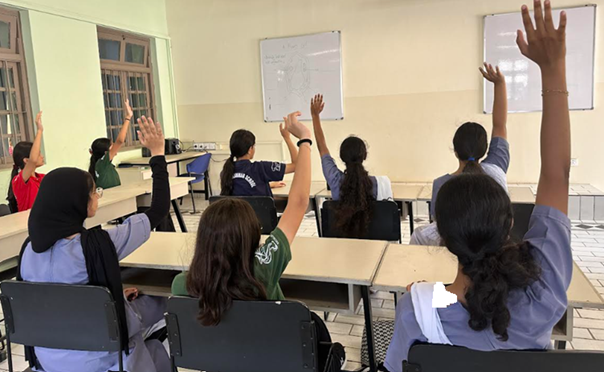
In many lessons, I noticed the same students were always raising their hands while others stayed quiet. This made participation uneven and limited opportunities for all students to engage.
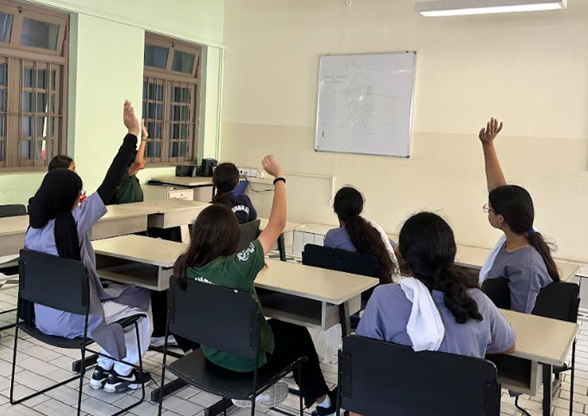
To address this, I introduced the “No Hands Up” strategy. Instead of relying on volunteers, I began selecting students to share their ideas. This helped signal that everyone’s thinking matters and that participation is an important part of learning.
A Simple Strategy That Made a Big Difference
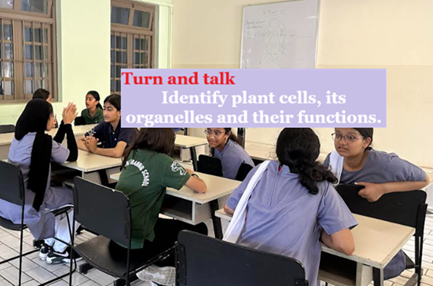
Students first discussed basic questions about a plant cell, such as why plant cells appear green and how plants obtain water. This gave them time to think, process their ideas, and build confidence before contributing to the class discussion.
Initially, quieter students were still hesitant to speak in front of the class—but they were comfortable sharing ideas with their peers. This step made a big difference.
When I followed this with “No Hands Up,” students felt more prepared. Gradually, more of them began contributing to whole-class discussions, including those who would usually remain silent.
I also use “Stretch It” questions to encourage deeper thinking. Rather than accepting a one-word answer, I ask follow-up questions such as “How do you know?” or “Can you explain why?”. This helps students develop their reasoning and express their ideas more clearly.
Why This Approach Works
This combination is powerful because it:
- Gives all students thinking time
- Builds confidence through peer discussion
- Encourages accountability, as anyone may be asked to share
It shifts the classroom from passive listening to active participation.
Building a Culture of Learning
These small changes have helped create a more balanced and supportive classroom environment. Students are more willing to take part, explain their thinking, and learn from one another.
Most importantly, they begin to understand that their engagement isn’t optional—it’s a key part of their learning.
Quick Reflection
Active learning doesn’t require complex changes. Even simple strategies, when used consistently, can transform how students engage.
By combining structured discussion with inclusive questioning, I’ve seen a clear shift: more voices, more confidence, and a stronger culture of learning overall. Great teaching grows from small, intentional moments repeated over time.