
In order to have effective lessons where all our students make progress and achieve success, we must have an effective lesson plan in place.
It is our responsibility to know what learners need to achieve in a lesson to ensure they are successful overall. We need to progress from previous lessons and help our students move forward by having a clear plan in place before we enter a lesson.
A place to start when planning lessons, is with learning objectives. We need to set out what we want our students to learn and understand by the end of the lesson. We need to make objectives that are SMART:
S – Specific (what do you want to the children to learn)
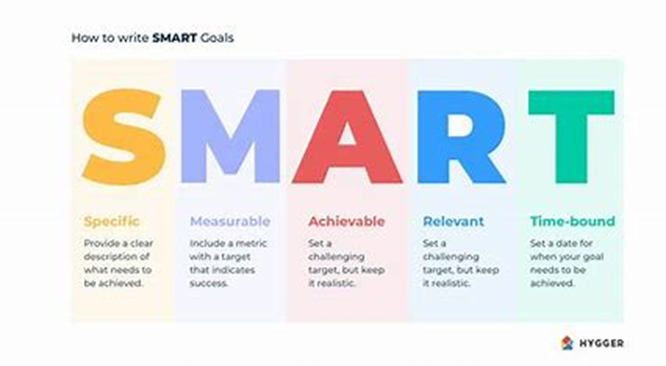
M – Measurable (how will you know if they have achieved this?)
A – Achievable (is it realistic? Do they have the knowledge or resources they need?)
R – Relevant (Does it build on what they already know? Is this knowledge necessary for something else?)
T – Timely (Do they have enough time to achieve this learning objective?
If we think about what we want our learners to have learned and understood by the end of the lesson, it will help us build our lesson objectives.
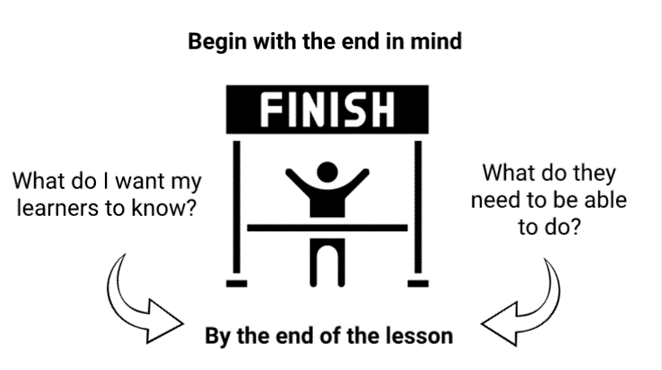
Once we have our objectives in place we need to divide the lesson time up into manageable parts for both you and your learners.
Beginnings of lessons can be challenging; getting everyone settled and ready to work takes time. If you have a Do It Now activity ready and prepared for students which is thematically linked to the lesson, it allows students to settle and get on with a task as everyone else arrives.
Following on from this you can then formally introduce your lesson topic and set out the objectives for the lesson. It is important that you explain to students what you intend for them to learn and WHY. If students don’t have a purpose for doing something, often they lose focus, just as much as we would want to know a reason for doing a task.
Catering For different Learning Styles
Often we have a variety of learning styles within our students and it is important that our lesson plan reflects this. We need to devise tasks and activities that allow all levels of students to access the required learning for that lesson.

If we have too many texts to read, it may become overwhelming for some students, so perhaps we can break texts up into manageable sections and deal with it in parts.
If there is going to be a large amount of writing, we need to devise ways in which to break this down for students who struggle with writing for longer periods of time.
In addition to various learning needs and styles, many of us need to cater for larger classes on top of this. Again, we need to be creative and imaginative in our lessons and lesson delivery.
When facing larger classes, it is important to establish ground rules and create consistency in YOUR classroom. It is important to set out expectations from the start and demand consistency from your students. Equally, you need to remain calm and patient, creating a positive learning environment. It will take time but eventually things will settle. Students will test boundaries, but they are your boundaries and you must maintain them.

Another strategy to deal with larger classes, is to use your students as a resource. Include some peer teaching and group work. Direct higher attainers to lead and “teach” smaller groups. After all, the best way to learn something is to teach it yourself, and for the lower attainers they may find this less intimidating and overwhelming.
Finally, as part of an effective lesson plan, it is important to assess and reflect upon the learning that has (or has not) taken place. What activities worked and which ones were not so effective?
Ask students something they have learned that lesson and assess their levels of learning. Equally you could give them a quiz or “exit card” task to check whether your/their learning objectives have been achieved.
As the teacher, you need to be absolutely certain of what you want to achieve, so you can work out the steps (and write the lesson plan) to achieve successful learning.
