Professionalism in Teaching: The Importance of Professionalism and How It is Practiced in My School


by Temitope Ogbeide, Nigeria

When the word teaching or teacher is mentioned, the immediate mental images that comes to mind involves schoolrooms and interactive exchange between a learner and a teacher.
Professionalism in teaching goes beyond the certificates acquired, or what is taught. It is more than a subject based knowledge; one that cannot be studied in the four walls of a classroom or formal setting. Professionalism can therefore be likened to the “unwritten curriculum”. It encompasses norms, values and behaviour, that is learned through the culture of an environment.
Professionalism is conveyed in how you do what you do, how you interact with your learners, how your learners perceive you, how you carry yourself, manage time, handle constructive criticism, take ownership of mistakes, dress, follow through on commitments and understand the line between personal life and workplace dynamics; until they become second nature.
When an educator embodies all the above-mentioned responsibilities well, they are seen as a walking resource. They are no longer seen as ‘just’ another educator teaching, but as one that impacts life lessons and sparks curiosity.
Professionalism in teaching is the learned behaviour, excellent standard, and acquired skills that an individual consistently displays as a result of mastered skills over a given period of time that makes them efficient for their student, reliable for families, dependable for colleagues and competent for their school.
While some individuals might possess natural personality traits that could make professionalism a bit easier to adopt; it is not something people are born with. It is acquired over time.
The following ideas can help you demonstrate professionalism as an educator in school:
- Have a team spirit mindset. One of the key components of being a teacher is being able to work together in a group. Be open to sharing ideas, offer solutions and accept criticism.
- Be on top of your game by being well-prepared at any time.
- Dress well. Your students will always notice when you show up nicely. Our appearance signals respect.
- Keep a positive attitude at all times.
- Be open to continuous professional development by staying updated with new skills and tools. Stop waiting for your school to send you for trainings and conferences, train yourself.
- Be polite. Avoid belittling remarks, or harsh tones when speaking to or correcting students.
- Show up confidently because a confident person inspires others to be confident.
- When wrong, admit your mistakes openly and correct yourself.
- As much as you can, keep your personal life and social media private. Know boundaries and do not over share.
- Give back. Find other teachers that are new that you can mentor or coach. It keeps you at the top of your game.
- When assigned duties or tasks, turn them in accurately and well-planned. Put your best foot forward and always over deliver.
- Adhere to school policies regarding conduct.
- Spend time observing highly respected people, note how they converse, dress, present themselves, modulate voices in different circumstances and gesticulate. Study their work ethics etc.
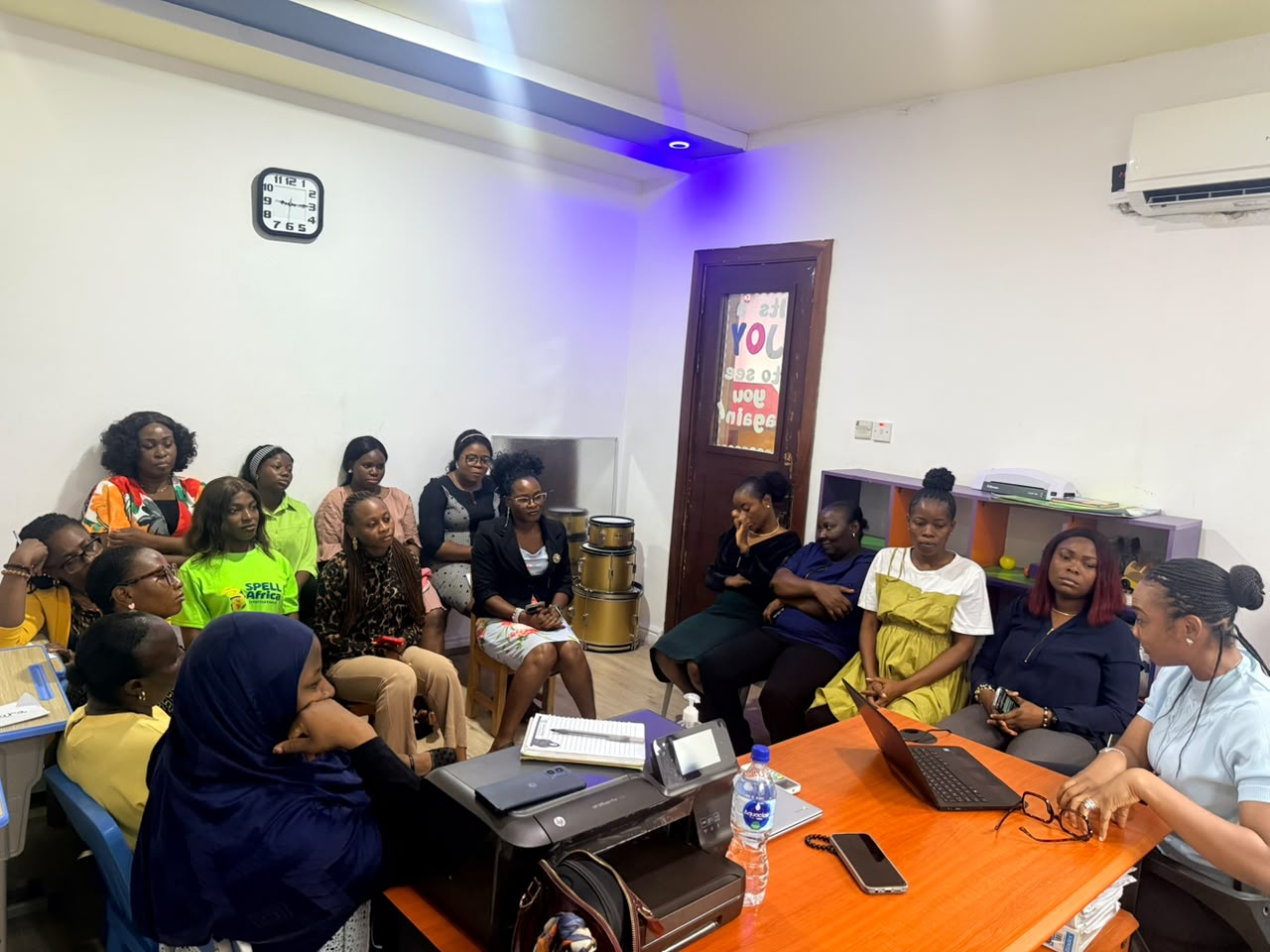
As I grew older in my teaching career, one thing that mattered to me the most was how my students perceived me when I step into the classroom. So, I became more intentional about how I showed up at work, to my classroom, to my students, the parents and my colleagues. Professionalism is a crucial characteristic for growth in the workplace and they are skills required of employees at all levels.