Beyond the Classroom: How Professionalism Shapes Teaching


By Adanna Leonard Williams, Trinidad & Tobago
Professionalism is not a label we wear; it is a lifestyle we live. It is the quiet discipline behind every lesson plan, the patience in every classroom interaction, and the integrity that guides every decision we make as educators. In my experience, professionalism is the invisible architecture that holds a school together — it is what transforms a building into a community of learning and a group of individuals into a team of educators.
What Professionalism Means to Me
To me, professionalism in education means showing up — fully, prepared, and present. It means treating every child as capable, every parent as a partner, and every colleague as a collaborator. It means understanding that what we do in the classroom extends far beyond the walls of the school; we are shaping citizens, thinkers, and future leaders.
Professionalism also means knowing that we are always being watched — not in a way that creates fear, but in a way that reminds us that our students learn from what we do, not just what we say. They learn punctuality when we arrive on time. They learn respect when we speak kindly. They learn resilience when they see us handle challenges with grace.
How Professionalism Is Practised in My School
1. Punctuality and Preparedness
In my school, the day begins before the first bell. Teachers arrive early, not because they are required to, but because they understand that preparation is a form of respect — for the students, for the profession, and for themselves. Lessons are planned, materials are ready, and classrooms are welcoming. This sets a tone of order and purpose that students quickly internalise.
2. Respectful Communication
Professionalism is heard in the way we speak to one another. In staff meetings, disagreements are handled with courtesy. In parent conferences, concerns are addressed with empathy. In the classroom, students are corrected with dignity, never with humiliation. We understand that words have power, and we use them to build, not to break.

3. Consistency and Fairness
Students thrive when they know what to expect. In my school, rules are applied fairly and consistently. Deadlines are honoured. Promises are kept. This consistency builds trust, and trust is the foundation of any healthy learning environment.
4. Collaboration and Teamwork
No teacher succeeds alone. In my school, professionalism is practised through collaboration — sharing resources, mentoring new teachers, and celebrating each other’s successes. We understand that when one of us grows, all of us grow. This spirit of teamwork extends beyond the staff room and into the wider school community.
5. Continuous Learning
Professionalism is not static; it is a journey. In my school, teachers are encouraged to pursue professional development, attend workshops, and reflect on their practice. We are lifelong learners, and we model this for our students. When they see us asking questions and seeking growth, they learn that learning never ends.
6. Ethical Conduct
Perhaps the most important aspect of professionalism is integrity. In my school, we hold ourselves to high ethical standards. We protect student confidentiality. We avoid conflicts of interest. We speak honestly and act fairly. Our students may not always remember the content of our lessons, but they will remember how we made them feel — and that memory is shaped by our integrity.

7. Appearance and Demeanour
Professionalism is also visible. In my school, teachers present themselves with dignity — in dress, in demeanour, and in attitude. This is not about vanity; it is about signalling to students and the community that we take our role seriously. When we look professional, we feel professional, and that energy is contagious.
8. Community Engagement
Finally, professionalism in my school extends beyond the classroom and into the community. We participate in school events, support parents, and engage with local organisations. We understand that a school is not an island; it is part of a larger ecosystem, and our professionalism contributes to the health of that ecosystem.
Professionalism does not stop when the school bell rings.
Professionalism in Our Culture
In Trinidad and Tobago, professionalism carries a particular cultural weight. We are a people who value respect, community, and relationship. Professionalism in our context means balancing structure with warmth, discipline with compassion, and authority with approachability. It means recognising that our students come to us with diverse experiences, and that our professionalism must be inclusive, culturally aware, and deeply human.
In my school and in my work through WEAF, this cultural understanding is embedded in how we teach and how we relate. We celebrate our diversity. We honour our traditions. We create space for every child to feel seen and valued. This is professionalism with a Caribbean heart.
Conclusion
Professionalism is not a destination; it is a daily practice. It is the accumulation of small choices — to be on time, to be kind, to be prepared, to be fair — that together create a culture of excellence. In my school, professionalism is not an abstract ideal; it is a lived reality, visible in every classroom, every conversation, and every child who walks through our gates with confidence.

As educators, we are not just teaching subjects; we are teaching lives. And professionalism — in the classroom and beyond — is the foundation upon which that sacred responsibility rests.
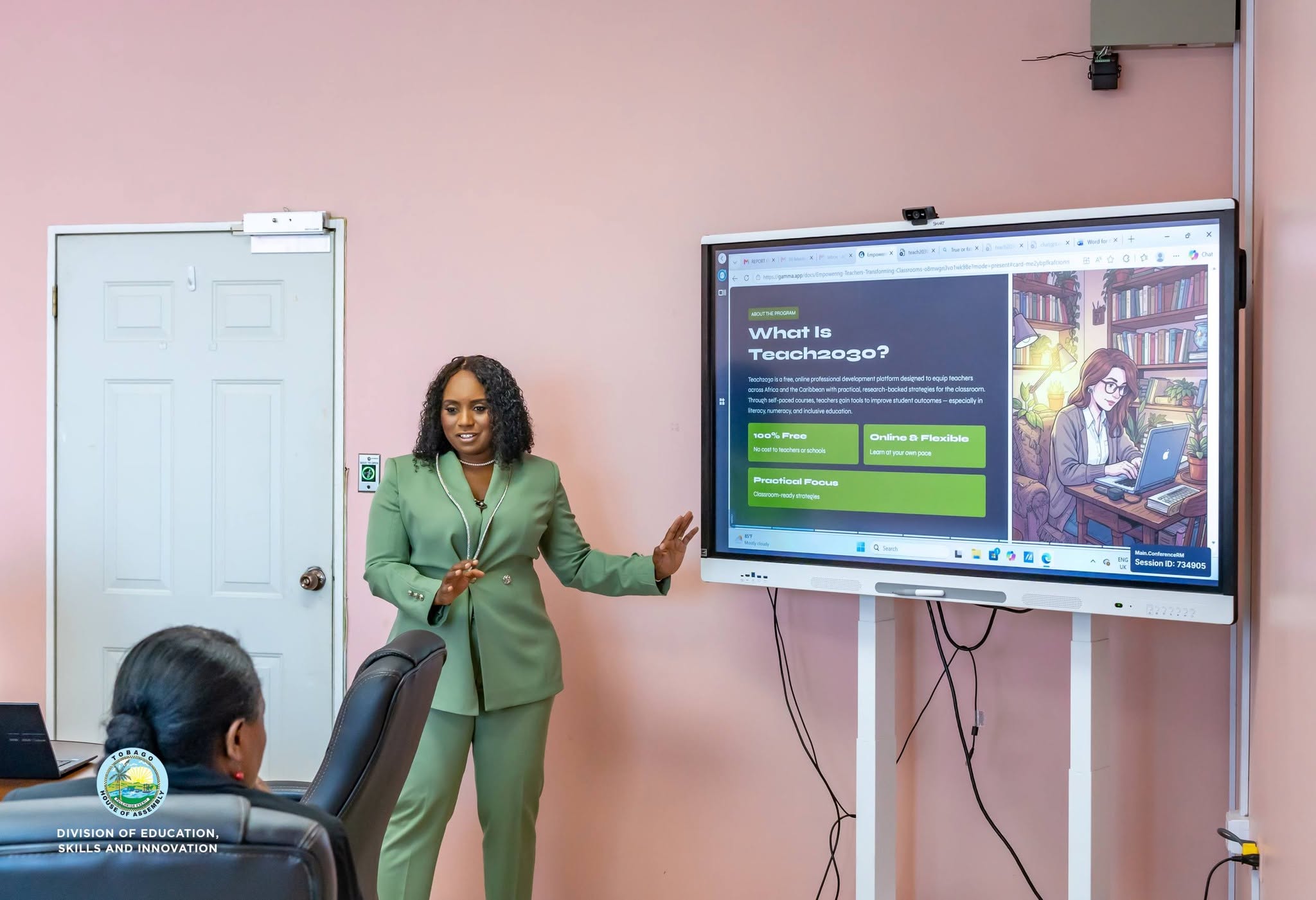
Have a look at the Teach2030 course on Professionalism to find out more about being a true professional in your environment.